Gastroenterology Center

Irritable Bowel Syndrome (IBS) Treatment in Guwahati

Personalized bowel mobility management, dietary mapping (low FODMAP), and stress-axis therapy to manage chronic gas, bloating, and irregular stools.

80%Symptom Control Rate
Low FODMAPStructured Diet Plans
3 StageTrigger Exclusion Mapping

Irritable Bowel Syndrome (IBS) is a common chronic disorder affecting the large intestine, leading to symptoms like stomach cramping, abdominal pain, bloating, gas, and irregular bowel patterns (diarrhea, constipation, or both). Dr. Dipankar Das offers advanced diagnostic screening and personalized management plans for IBS in Guwahati.

Understanding Irritable Bowel Syndrome (IBS)

IBS is classified as a functional gastrointestinal disorder, meaning that while there are no obvious structural abnormalities in the colon during standard imaging, the digestive tract does not function normally. The walls of the intestines are lined with muscles that contract and relax in a coordinated rhythm as they move food. In IBS, these contractions may be stronger or last longer than normal, leading to gas, bloating, and diarrhea. Conversely, weak contractions can slow food passage, leading to hard, dry stools.

Types of IBS

Based on the pattern of bowel movements, IBS is divided into:

  • IBS-C (Constipation Predominant): Severe straining, hard stool, and abdominal discomfort.
  • IBS-D (Diarrhea Predominant): Sudden bowel urge, loose watery stools, and flatulence.
  • IBS-M (Mixed/Alternating): Alternating between constipation and diarrhea.

Diagnosing IBS & Ruling Out Celiac/IBD

Since IBS symptoms overlap with other more serious diseases, diagnostic exclusion is necessary. Dr. Dipankar Das may recommend:

  • Colonoscopy Screening: To rule out Inflammatory Bowel Disease (Crohn's or Ulcerative Colitis) and colon polyps.
  • Blood and Stool Tests: To screen for Celiac Disease (gluten allergy) and chronic infections.
  • Stool Calprotectin: To check for intestinal inflammation.

Treatment and Dietary Management

IBS management combines clinical medication, dietary modifications, and stress management:

  1. Low-FODMAP Diet:

    Avoiding highly fermentable carbohydrates like onions, garlic, wheat, milk (lactose), apples, and beans. Focus on soluble fiber (oats, banana) and gut-friendly probiotics like fresh curd.

  2. Pharmacotherapy:

    Antispasmodics to reduce bowel cramping, laxatives for constipation, or low-dose neuromodulators to address the gut-brain axis.

  3. Stress Mitigation:

    Since stress triggers gut spasms, gentle exercise, meditation, and regular sleeping patterns are encouraged.

Clinical Signs & Key Symptoms

Abdominal Cramping

Lower stomach cramps that often fluctuate and are temporarily relieved after a bowel movement.

Chronic Bloating

Sensation of a tight, gaseous, or visibly swollen abdomen soon after meals.

Bowel Irregularity

Alternating diarrhea (IBS-D), constipation (IBS-C), or a mix of both (IBS-M).

Incomplete Evacuation

Feeling like you haven't fully cleared your bowels even after passing stool.

Stool Mucus

Noticing clean, whitish mucus coating your stool during bowel movement.

Stages & Severity Classification

Stage / GradeClinical ConditionCommon IndicatorsReversibility
IBS-CConstipation PredominantBowel movements are hard, dry, and difficult to pass. Severe straining is common.Fully Manageable
IBS-DDiarrhea PredominantBowel movements are loose, watery, and occur with a sudden urgent need to use the toilet.Fully Manageable
IBS-MMixed Bowel PatternStools alternate between episodes of diarrhea and constipation within a few days.Fully Manageable
IBD RiskInflammatory Bowel DiseaseRequires checking fecal calprotectin markers to rule out Ulcerative Colitis or Crohn's Disease.Requires Care

Dietary Adjustments & Food Guidance

Recommended (Foods to Enjoy)

  • Low-FODMAP fruit (bananas, blueberries, oranges, grapes)
  • Gluten-free grains (oats, brown rice, quinoa)
  • Lactose-free dairy, almond milk, or fresh curd
  • Cooked vegetables (carrots, cucumber, potato, spinach)
  • Lean proteins (eggs, tofu, fresh fish, chicken)

Avoid (Triggers to Limit)

  • High-FODMAP triggers (onions, garlic, wheat, beans)
  • Dairy lactose (cows milk, cream, soft cheeses)
  • Fructose-heavy fruits (apples, pears, watermelons)
  • Artificial sweeteners (sorbitol, chewing gum, carbonated sodas)
  • Cruciferous vegetables (cauliflower, cabbage, raw broccoli)
Interactive self-check

Gastrointestinal Symptom Checker & Severity Risk Assessment

Step 1 of 3

IBS & Bowel Motility Score

Check functional bowel sensitivity, chronic bloating, and toilet patterns.

Do you experience abdominal pain or cramping that is relieved after passing stool?

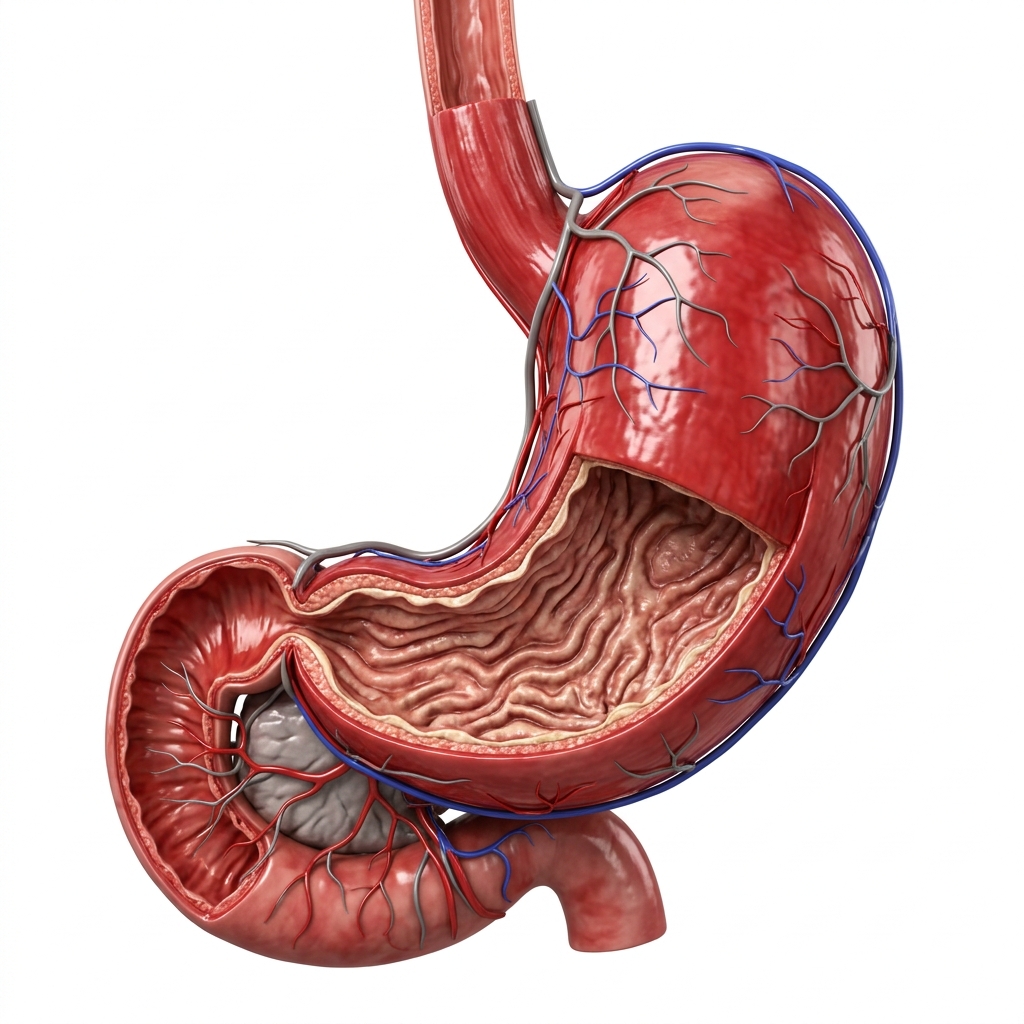
Clinical Diagram
Human digestive tract stomach illustration
Anatomical visualization of gastrointestinal structure for patient education.

IBS Clinical Management Timeline

1

Bowel Check

Undergo blood and stool markers to rule out structural inflammatory bowel diseases.

2

Dietary Mapping

Work with Dr. Das to implement food mapping, eliminating highly fermentable triggers.

3

Symptom Relief

Take prescribed gut motility regulators, probiotics, or spasmolytic medicines.

4

Gut-Brain Support

Follow lifestyle modifications and stress management steps to optimize gut-brain axis signals.

Condition Insights & FAQs

Dr. Dipankar Das portrait

Dr. Dipankar Das

DM Gastroenterology • IMS BHU
  • Senior Consultant at Narayana Hospital
  • Visiting consultant at HAMM Hospital
Book OPD Slot

Key Indicators

  • Abdominal Pain or Cramps (often relieved by bowel movement)
  • Chronic Gas & Bloating
  • Bowel Changes (Diarrhea, Constipation, or Alternating)
  • Feeling of Incomplete Bowel Evacuation
  • Mucus in Stool

Timings & Contact

Narayana Hospital, GuwahatiMon - Sat: 10:00 AM - 04:00 PM
HAMM Hospital, HojaiWeekly Visiting Hours Check

Book Your Consultation Today

OPD clinic appointments are available in Guwahati & Hojai. You can also opt for digital video consultations.

Call NowWhatsAppBook Slot