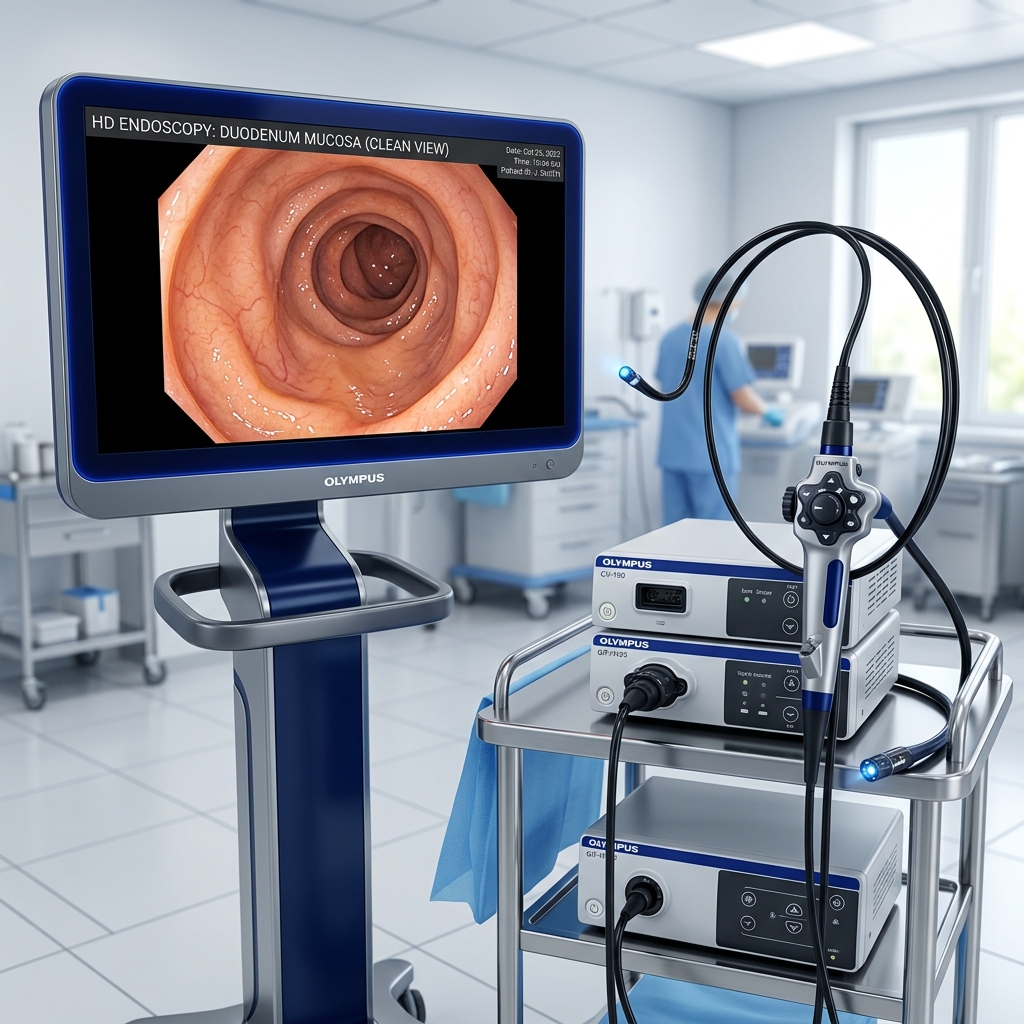
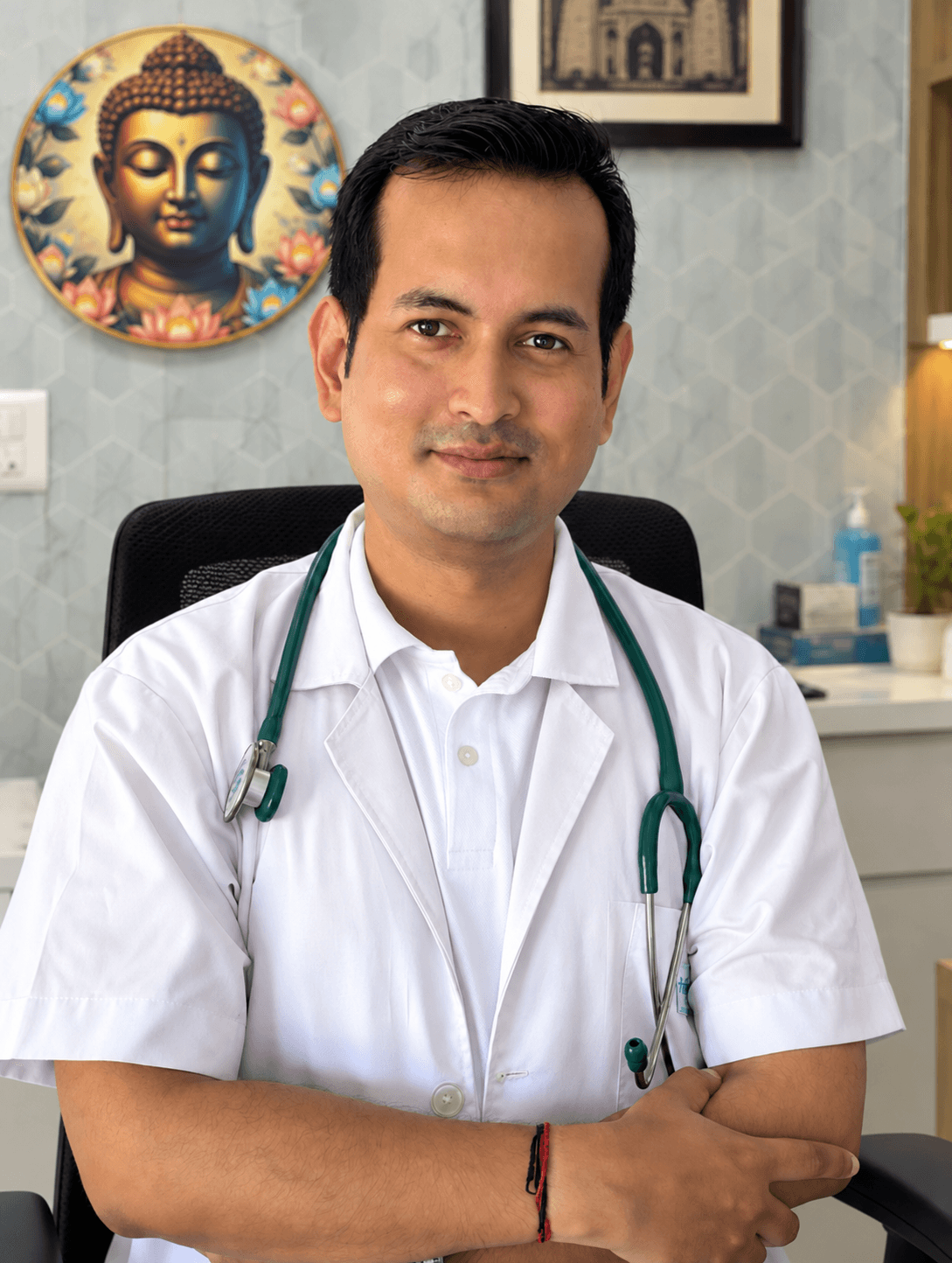
A colonoscopy is a diagnostic and therapeutic endoscopic procedure used to examine the inner lining of the large intestine (colon) and rectum. Crucial for detecting early-stage cancers, diagnosing chronic bleeding, and removing pre-cancerous polyps, colonoscopies are performed with precision and care in Guwahati by Dr. Dipankar Das.
Why is a Colonoscopy Performed?
A colonoscopy allows direct visual evaluation of the colon mucosa using a flexible tube with a camera. Your doctor will advise a colonoscopy if you experience:
- Blood in Stool: Unexplained rectal bleeding, black tarry stools, or positive fecal occult blood test results.
- Bowel Movement Changes: Chronic diarrhea or severe constipation that does not respond to standard treatment.
- Colorectal Cancer Screening: Essential for adults over 45, or younger individuals with a family history of colon cancer.
- Chronic Abdominal Pain: Unexplained persistent lower abdominal cramps.
- Unexplained Weight Loss: Weight loss accompanied by digestive issues.
Bowel Preparation: Guidelines
To obtain high-definition visual reports, the colon must be completely clear. Patients must strictly follow bowel prep:
- Clear Liquids Diet: The day before the procedure, patients must consume only clear liquids (like coconut water, clear broth, or plain water). Avoid solid food and red/purple-colored drinks.
- Laxative Solution: Consuming a special peg-based bowel cleansing solution the previous night to induce complete bowel clearance.
- Fasting: Stop all fluids 4 hours before the procedure if conscious sedation is planned.
Painless Procedure Under Sedation
Many patients avoid colonoscopies due to fear of pain. However, under Dr. Dipankar Das's clinical care at Narayana Superspeciality Hospital, colonoscopies are performed under conscious sedation administered by a specialized anesthesiology team. You will fall into a light sleep, remaining completely relaxed, experiencing no pain or discomfort. The procedure typically takes 20 to 30 minutes, followed by a short recovery monitoring window.
Therapeutic Colonoscopy: Polypectomy
If the doctor identifies colon polyps (abnormal growths on the intestinal wall) during screening, he can perform an endoscopic polypectomy to cut and remove the polyps immediately using wire loops. This is non-surgical, painless, and represents the absolute gold standard for preventing colorectal cancer before it starts.
Your Clinical Pathway to Recovery
Click on each phase of the timeline to explore clinical checklists, fasting guidelines, and preparation instructions for hassle-free treatment.
1. AI Triage & Assessment
Identify digestive warning signs quickly using our digital Symptom Chatbot or Gut Health Calculator.
2. OPD Clinical Consultation
Visit Dr. Dipankar Das at Narayana Superspeciality Hospital or outreach centres for clinical evaluation.
3. Painless Screening Scopes
Advanced diagnostic visual inspection of stomach mucosal lining or colon under light sedation.
4. Tailored Care Recovery
Receive a personalized gastrointestinal care plan, dietary charts, and follow-up consultation.