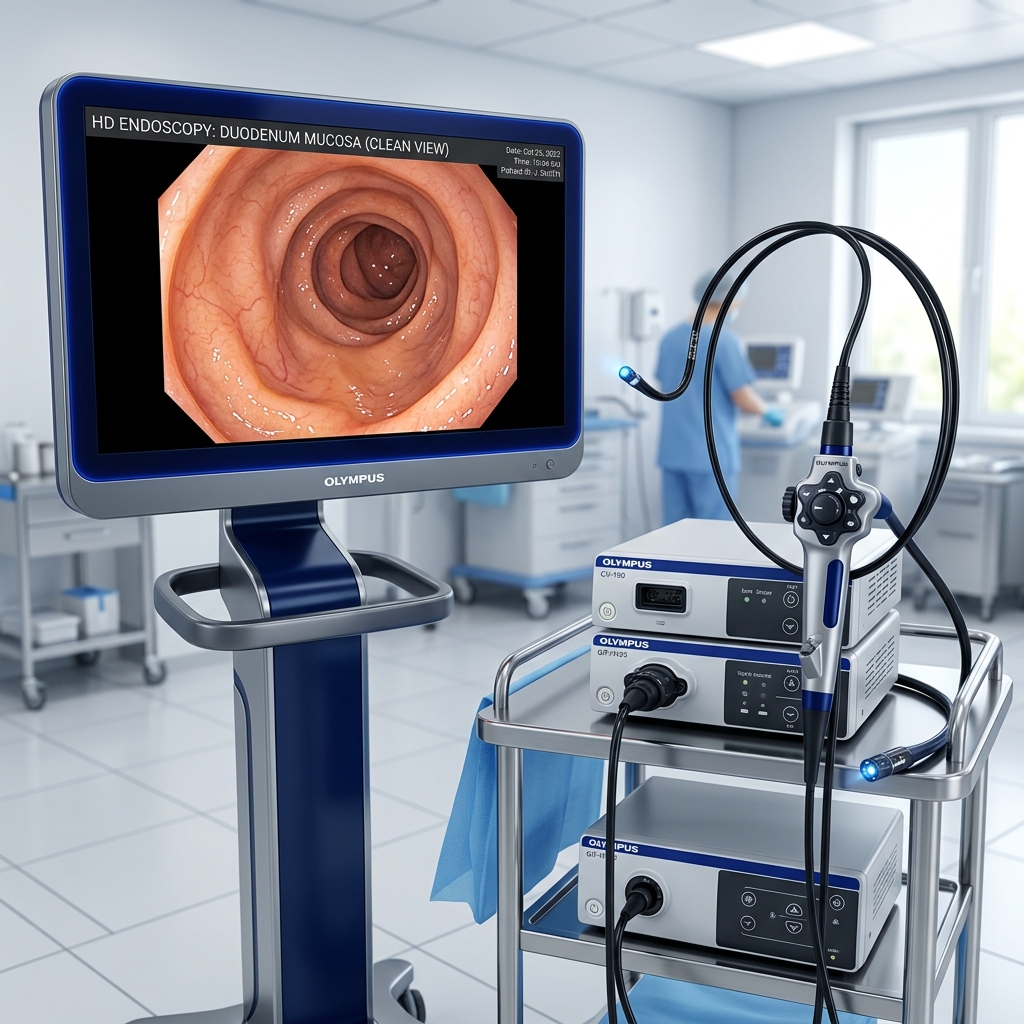
Endoscopy is a critical diagnostic tool used to visualize the inner mucosal layer of your digestive tract. When looking for the best endoscopy doctor in Guwahati, it is important to find a specialist trained in advanced therapeutic interventions like banding, stent placement, and stone extraction.
What is Upper GI Endoscopy?
An Upper GI Endoscopy (or Esophagogastroduodenoscopy) is a procedure where a doctor passes a thin, flexible tube equipped with a lens and high-definition camera down your esophagus. It allows direct, real-time visualization of the upper gastrointestinal tract, including the food pipe, stomach, and the duodenum.
This procedure is far superior to standard X-rays or CT scans for detecting early inflammatory changes, small mucosal ulcers, superficial erosions, and early-stage cancers. It also allows the doctor to take tissue samples (biopsies) or remove small polyps non-surgically during the same session.
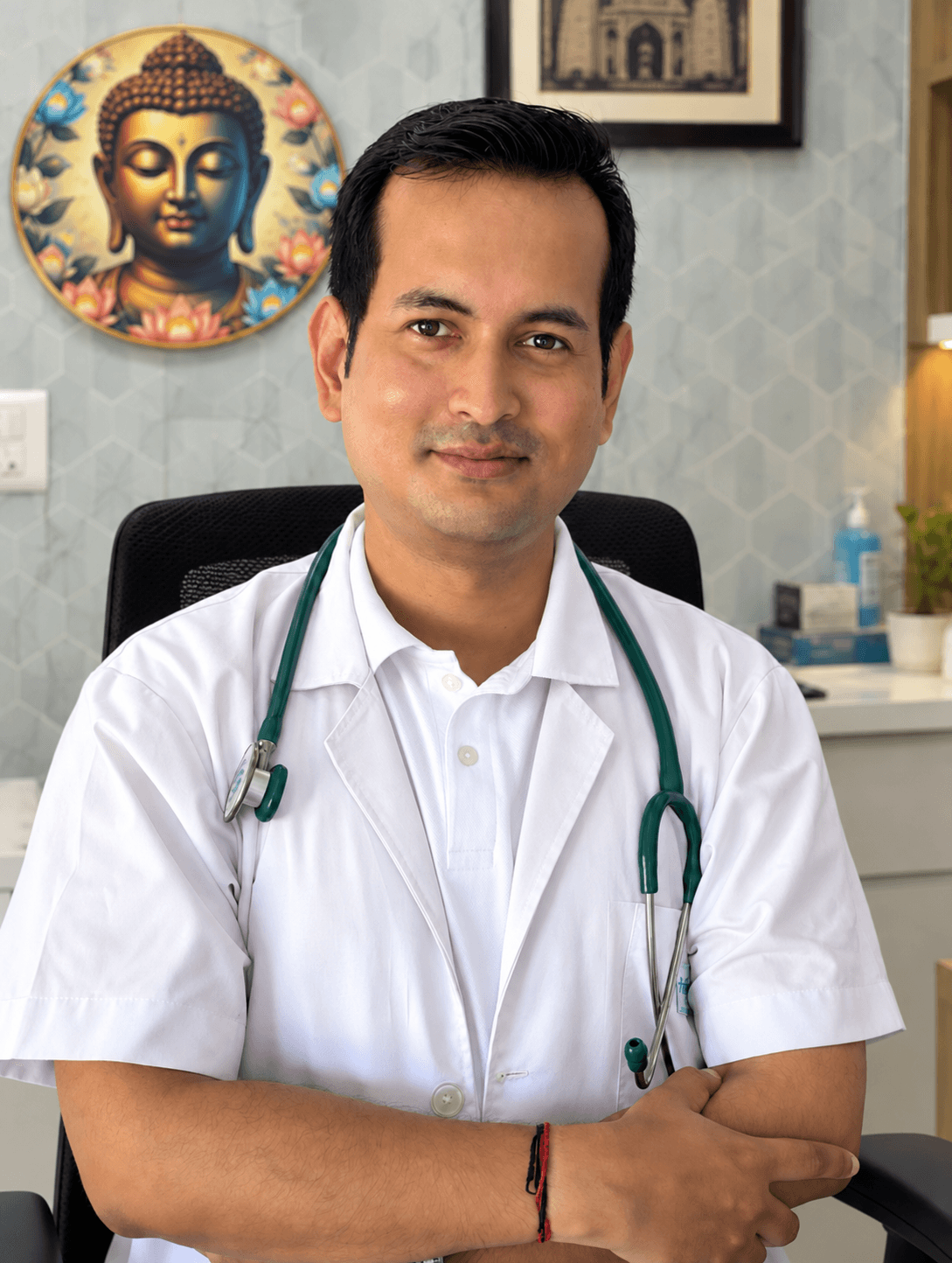
Why is Dr. Dipankar Das Trusted for Endoscopies?
Dr. Dipankar Das is highly trusted across Assam for diagnostic and therapeutic endoscopies. His clinical advantages include:
- Conscious Sedation Support: Endoscopies are performed under light conscious sedation, ensuring the patient experiences absolutely no gag reflex, discomfort, or throat pain.
- Advanced Endoscopy Suite: Equipped with modern high-definition endoscopes at Narayana Superspeciality Hospital, Guwahati.
- Therapeutic Interventions: Expert in EVL (variceal banding) to stop active bleeding, sclerotherapy, hemorrhoidal banding, and nasojejunal tube placements.
- Painless Colonic Screenings: Comprehensive colonoscopy screenings with minimal post-procedure bloating or discomfort.
Common Indications for Undergoing Endoscopy
Your physician or gastroenterologist will advise you to undergo an endoscopy if you experience:
- Severe chronic acidity or chest burning that does not respond to standard medications.
- Difficulty, pain, or a choking feeling when swallowing food or liquids (dysphagia).
- Vomiting blood or noticing coffee-ground-like dark blood in vomit.
- Unexplained chronic nausea, persistent vomiting, or loss of appetite.
- Suspicion of H. pylori bacterial infection or stomach cancer.
Patient Preparation Guidelines
To ensure clear visualization during the procedure, patient preparation is crucial:
- Fasting: Strictly nothing by mouth (no food, water, or tea) for 6 to 8 hours before the procedure.
- Medication Check: Discuss with Dr. Das if you take blood thinners (like aspirin, clopidogrel, or warfarin) as they may need to be paused.
- Accompanying Person: Since conscious sedation is administered, patients are not allowed to drive post-procedure and must be accompanied by a family member.