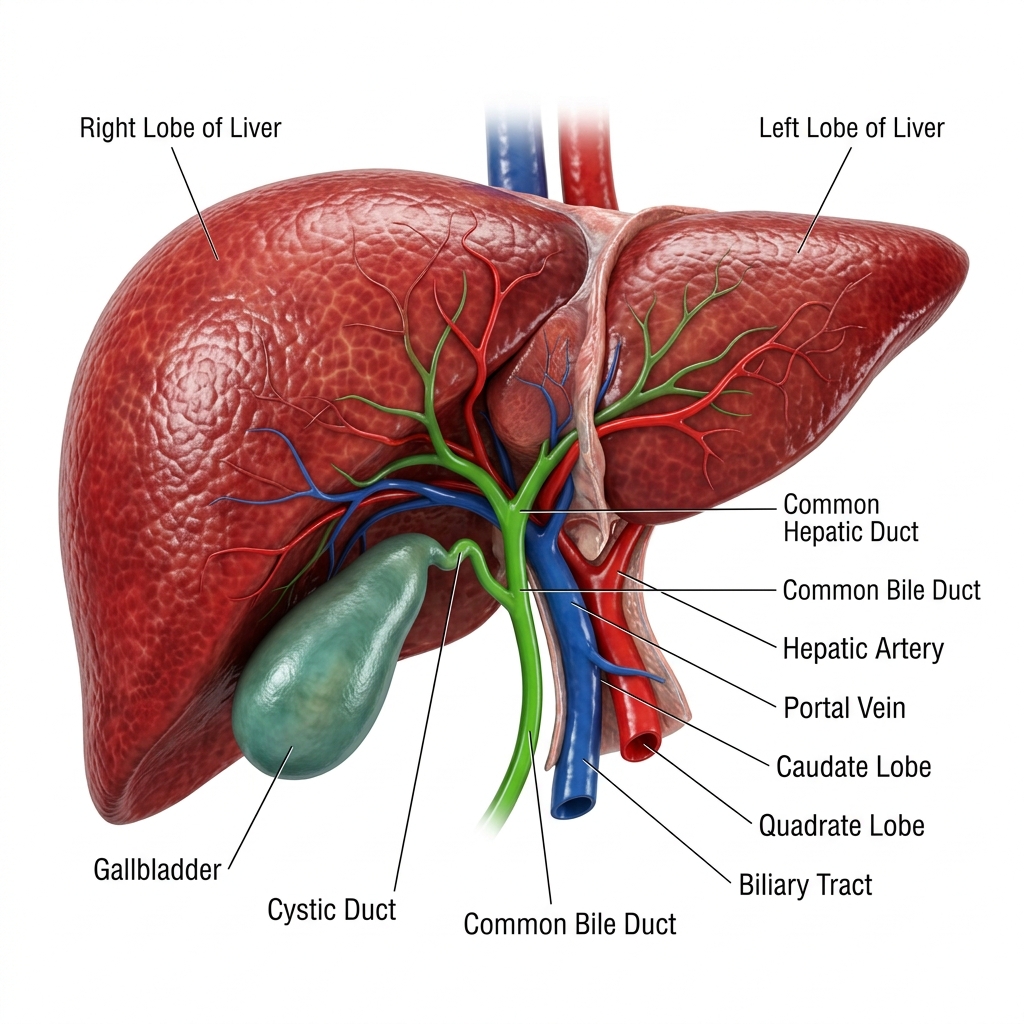
The liver is one of the body's most important organs, performing hundreds of essential functions including digestion, metabolism, detoxification, and nutrient storage. Many liver diseases develop silently and may not cause noticeable symptoms until they become advanced. Early diagnosis, timely treatment, and regular follow-up are essential to prevent complications and maintain long-term liver health.
Dr. Dipankar Das provides comprehensive evaluation and evidence-based management for a wide range of acute and chronic liver diseases using advanced diagnostic techniques and individualized treatment plans tailored to each patient's needs.
What is Fatty Liver Disease (MASLD)?
Read Full Clinical Guide→Metabolic Dysfunction-Associated Steatotic Liver Disease (MASLD), commonly known as Fatty Liver Disease, is the most common chronic liver disorder worldwide. It occurs when excess fat accumulates within the liver, usually due to obesity, diabetes, high cholesterol, or insulin resistance. While many people have no symptoms, untreated fatty liver may progress to liver inflammation, fibrosis, cirrhosis, and, in some cases, liver cancer.
Early lifestyle changes, weight management, and appropriate medical care can often halt or even reverse early-stage fatty liver disease before permanent liver damage develops.
Understanding Fatty Liver Stages
Fatty liver is categorized based on severity and the presence of cellular damage:
- Grade 1 (Simple Steatosis): Mild fat accumulation in liver cells without cellular damage or inflammation.
- Grade 2 (NASH): A more severe stage where the fat accumulation triggers inflammation and cell damage, leading to scarring.
- Grade 3 (Fibrosis): Persistent inflammation leads to stiffness and scar tissue formation across the liver structure.
- Grade 4 (Cirrhosis): Extensive scarring and permanent damage causing impaired liver functions, requiring specialist care.
Common Triggers and Risk Factors
Several metabolic conditions, lifestyle factors, and toxins trigger or accelerate liver fat deposition:
- Obesity & Excess Waist Weight: Excess visceral fat directly releases free fatty acids into liver circulation.
- Type 2 Diabetes & Insulin Resistance: Ineffective insulin actions lead to increased storage of circulating glucose as liver fat.
- High Triglycerides & Bad Cholesterol: Higher lipids overload liver cells' capacity to break down dietary fats.
- Alcoholic Liver Disease: Chronic alcohol breakdown creates direct oxidative damage to hepatocytes.
Reversing Fatty Liver: Dr. Das's Protocol
Dr. Dipankar Das implements a structured, evidence-based protocol to effectively reverse fatty liver and NASH cellular stress:
- Customized Low-Glycemic Diet Sheet:
A detailed, customized food plan emphasizing whole grains, vegetables, and lean proteins while restricting sugars, maida, and trans fats to lower fat accumulation.
- Aerobic & Strength Physical Training:
At least 150 minutes of moderate-intensity aerobic exercise (like brisk walking or swimming) weekly to burn visceral fat stores and improve insulin sensitivity.
- Hepatoprotective Medical Support:
Targeted medications like antioxidants (Vitamin E), insulin sensitizers, and lipid-lowering agents to protect hepatocytes and reduce cellular stress.