Gastroenterology Center

Diagnostic & Therapeutic Endoscopy in Guwahati

Painless endoscopy services to evaluate gastrointestinal issues, stomach sores, strictures, and rule out chronic infections.

100%Sterilization (AER Standard)
10-15 MinDiagnostic Procedure
Same-DayDischarge & Reports

Endoscopy is a modern diagnostic and therapeutic screening procedure that allows direct visualization of internal gastrointestinal organs. Equipped with high-definition digital screens and cameras, modern endoscopes are crucial for early cancer detection, ulcer screenings, and bleeding control. Dr. Dipankar Das provides clinical endoscopy services in Guwahati.

Types of Endoscopy Services Provided

Depending on your symptoms, a specific type of endoscopic procedure may be advised:

  • Upper GI Endoscopy (EGD): Visually evaluates the esophagus, stomach, and the duodenum. Essential for gastritis and acidity screening.
  • Colonoscopy: Examines the entire length of the large intestine. Crucial for rectal bleeding and colon polyps removal.
  • ERCP: An advanced procedure using fluoroscopy (X-ray) and endoscopy to extract gallstones from the bile ducts.
  • Endoscopic Ultrasound (EUS): High-resolution imaging of structural walls and nearby organs like the pancreas, enabling direct needle biopsies (FNA).

Safety and Sterilization Protocols

Patient safety and infection control are of paramount importance. Dr. Dipankar Das ensures strict adherence to clinical sterilization protocols:

  • Automated Endoscope Reprocessors (AER): Ensuring high-level chemical disinfection of scopes between every patient session.
  • Disposable accessories: Forceps, loops, and injection needles used during biopsy or polypectomy are strictly single-use only.
  • Continuous Monitoring: Patients undergoing procedures under sedation have heart rate, oxygen levels, and blood pressure monitored continuously.

Post-Procedure Care

After the procedure, patients are monitored in a recovery room for about 1 to 2 hours. Here is what to expect:

  • You may experience a mild sore throat (for Upper GI) or slight bloating and gas (for Colonoscopy) which resolves within a few hours.
  • You can resume a normal diet once the throat numbness fades, unless advised otherwise.
  • Since conscious sedation is administered, do not make major decisions, sign documents, or drive vehicles for 12 hours.

Clinical Signs & Key Symptoms

Chronic Acidity & Burn

Constant burning sensation behind the breastbone that persists despite regular antacid intake.

Dysphagia

Sensation of food getting stuck in the chest, suggesting narrowing or esophagitis.

Upper Stomach Pain

Persistent pain in the epigastrium (upper gut), which can indicate gastritis or peptic ulcer disease.

Black or Tar-colored Stool

Melena (black stools) indicates digested blood, a critical sign of stomach or duodenal bleeding.

Persistent Nausea

Unexplained chronic nausea or vomiting food hours after consumption.

Stages & Severity Classification

Stage / GradeClinical ConditionCommon IndicatorsReversibility
DiagnosticUpper GI Endoscopy (EGD)Direct camera visualization of the esophagus, stomach, and duodenum to identify source of pain.Diagnostic Check
ScreeningH. pylori Bacterial TestTaking a painless stomach biopsy to test for Helicobacter pylori infection, a primary cause of ulcers.Fully Treatable
TherapeuticEsophageal DilatationEndoscopic balloon stretching of strictures (narrowing) to restore normal comfortable swallowing.Fully Reversible
InterventionalBile Duct Clearance (ERCP)Advanced endoscopic stone extraction from the biliary tract using high-definition screens.Advanced Care

Dietary Adjustments & Food Guidance

Recommended (Foods to Enjoy)

  • Clear liquids (coconut water, plain water, clear apple juice) 8 hours before
  • Boiled rice, porridge, plain broth after the procedure
  • Sips of room-temperature water once swallowing returns to normal
  • Small meals eaten slowly

Avoid (Triggers to Limit)

  • Solid food, heavy dairy, tea, or coffee on the morning of the procedure
  • Drinking or eating before throat numbing spray fully wears off (approx 1 hour)
  • Spicy, greasy, or deep-fried food for 24 hours post-procedure
  • Over-the-counter painkillers (NSAIDs) which can irritate stomach lining
Interactive self-check

Gastrointestinal Symptom Checker & Severity Risk Assessment

Step 1 of 3

Upper GI Endoscopy Referral Indicator

Evaluate if chronic upper stomach pain indicates a need for endoscopic diagnostic check.

Do you have any warning signs like unexplained weight loss, difficulty swallowing, or persistent vomiting?

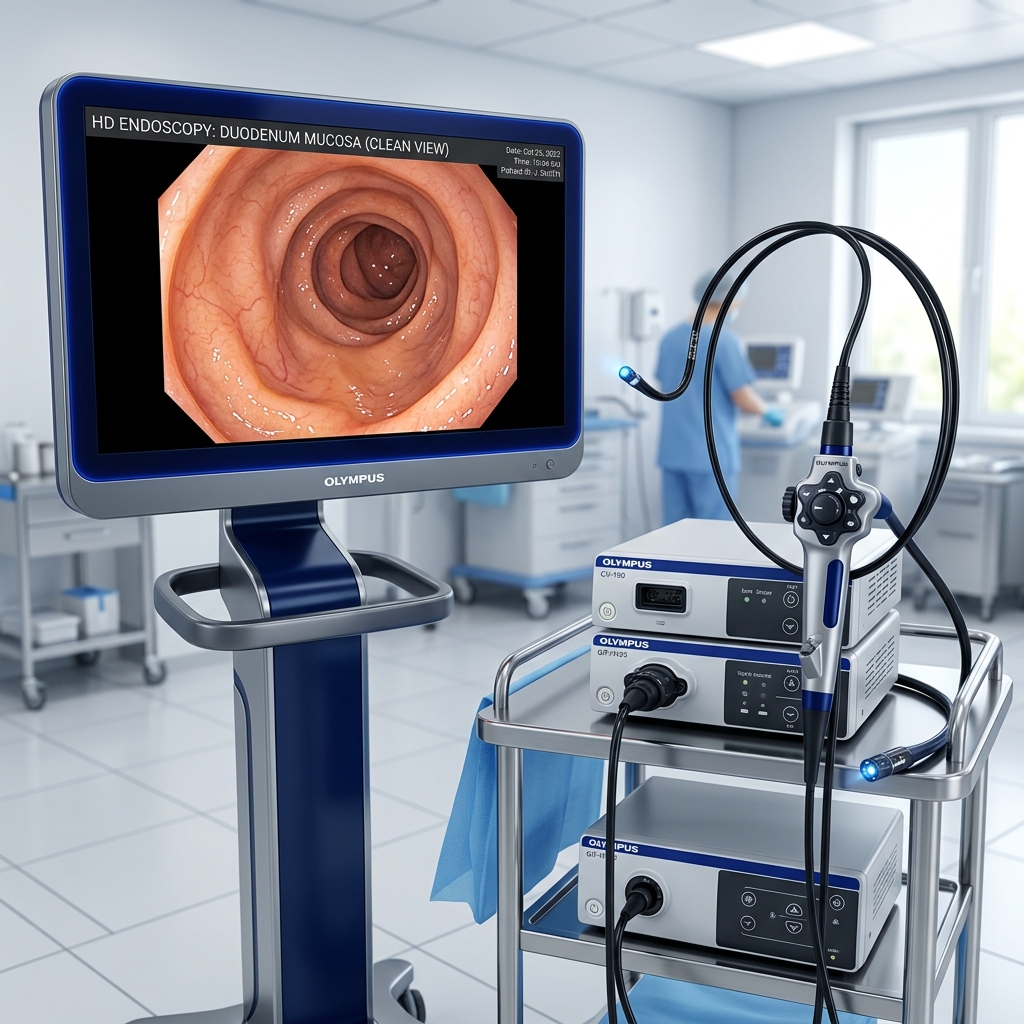
Clinical Diagram
HD Endoscopy procedure monitor illustration
Anatomical visualization of gastrointestinal structure for patient education.

Procedure Stages

1

Arrival & Check-in

OPD registration and signing consent forms at the hospital.

2

Throat Numbing & Sedation

Anesthetic spray numbs the throat. Mild sedation is administered intravenously.

3

Scoping Run

A flexible scope checks the esophagus, stomach, and duodenum. Takes 10 minutes.

4

Post-Op Review

Fasting ends once swallowing returns to normal (approx 1 hour). Custom medical plan issued.

Condition Insights & FAQs

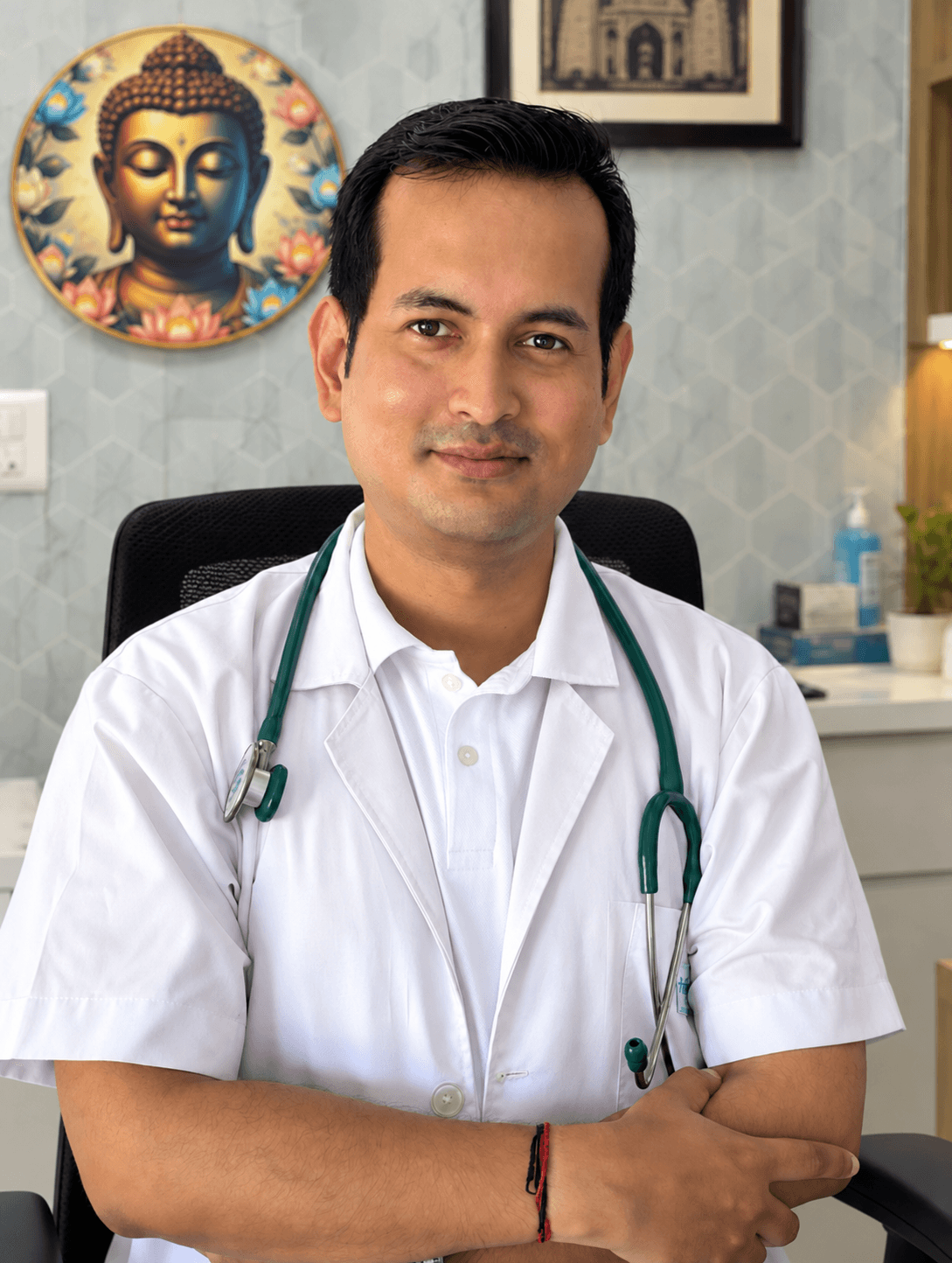
Dr. Dipankar Das portrait

Dr. Dipankar Das

DM Gastroenterology • IMS BHU
  • Senior Consultant at Narayana Hospital
  • Visiting consultant at HAMM Hospital
Book OPD Slot

Key Indicators

  • Chronic Heartburn or Reflux
  • Epigastric Pain / Stomach Sores
  • Persistent Nausea & Vomiting
  • Anatomical Swallowing Issues
  • Black/Tar-colored Stools (Melena)

Timings & Contact

Narayana Hospital, GuwahatiMon - Sat: 10:00 AM - 04:00 PM
HAMM Hospital, HojaiWeekly Visiting Hours Check

Book Your Consultation Today

OPD clinic appointments are available in Guwahati & Hojai. You can also opt for digital video consultations.

Call NowWhatsAppBook Slot